How to Choose the Right ATV Quad Bike in Dubai
Choosing an atv quad bike dubai option is less about picking the flashiest machine and more about matching the ride to the rider, the terrain and the rules that apply on the day. A quad can feel easy at slow speed and still demand respect on sand, especially when the surface changes without warning. Start with the basics, then narrow the choice in a steady order so the final decision feels practical rather than rushed.
Start with the rider, not the machine
Begin by being honest about who will ride. Age, height, weight, strength and previous experience all shape the right choice. A smaller rider should be able to reach the handlebars, place both feet firmly and operate the controls without stretching. A rider new to off road driving will usually do better on a machine with predictable power rather than one built for aggressive acceleration.
Think about how the rider responds to uneven ground. Sand shifts under the tyres, and a sand dune can look smooth while hiding soft patches, dips and side slopes. Someone who has only ridden on paved roads may need a calmer bike with manageable steering. More experienced riders may still prefer a stable machine with good balance instead of chasing raw speed.
Also decide whether the ride will be solo or shared. Passenger limits matter, and a bike that is suitable for one rider may not be suitable for two. If children are involved, the choice needs to reflect their size and maturity, not just their interest. The right fit gives the rider room to learn without feeling overpowered.
Decide what kind of riding you want
Next, define the purpose of the ride. A short desert outing calls for a different approach from longer trail riding or a guided tour with frequent stops. If the goal is to enjoy desert terrain with a group, stability and control are more useful than top speed. If the plan involves open stretches, the bike still needs to remain manageable when the surface becomes rough.
Consider the pace you expect. Riding fast may sound appealing, but speed limits and local rules can restrict where and how fast a vehicle may be used. A good choice is one that feels comfortable at the pace you can actually maintain, not only at its maximum. A machine that is easy to handle at moderate speed often makes the whole experience smoother.
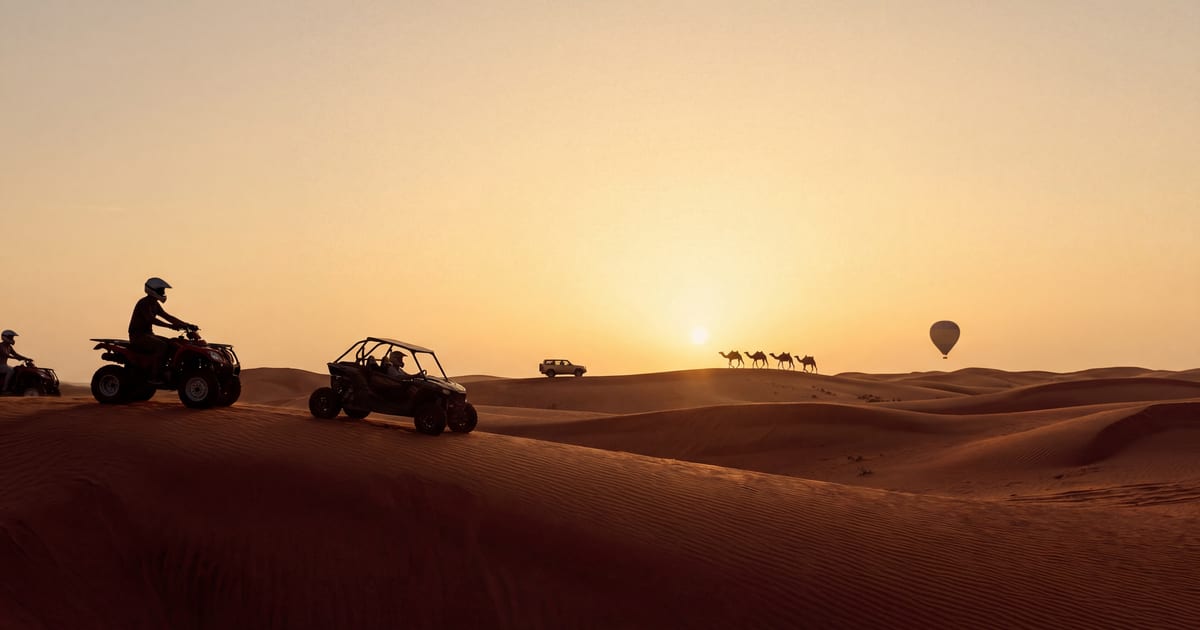
Route type matters too. Firm tracks, loose sand and rocky patches place different demands on tyres, suspension and steering. If there is a chance of riding near dunes, look for a bike that stays composed when the front end climbs or the rear tyre spins. The aim is not to conquer every patch of sand, but to keep control as conditions change.
Compare quad bike types with clear eyes
Quad bike types are often grouped by use, size and engine character. Utility style machines tend to feel steady and practical, with a focus on low speed control and carrying ability. Sport style machines often bring quicker response and lighter handling, which can be exciting but less forgiving for a beginner. Youth or entry level machines are built around smaller riders and lower power, though they still require supervision and suitable terrain.
Pay attention to the transmission. Automatic options can be easier for new riders because they reduce the number of controls to manage. Manual gears can give more involvement, but they add another skill to think about while steering, balancing and watching the ground. Neither option is automatically better. The best one is the one the rider can operate calmly.
Suspension and ground clearance deserve close attention. Desert ground can be soft in one area and firm in another, and a low bike may catch on bumps or sand ridges. Better clearance helps the machine move over uneven ground, while workable suspension keeps the tyres in contact with the surface. Watch for a setup that feels too stiff or too bouncy, as both can reduce control.
Brakes are another point to compare. A quad should slow down in a straight, predictable way. If a machine pulls to one side, feels vague or makes unusual noises, treat that as a serious warning. Brake components are safety critical, so any repair or adjustment beyond simple visual checks belongs with a qualified professional.
Check size and control before committing
Once you have a shortlist, look closely at fit. Sit on the bike if that is possible and check the position of the seat, handlebars and footrests. The rider should be able to sit upright, keep elbows slightly bent and place both feet securely. If the seat is too high or the reach feels stretched, control will suffer on rough ground.
Notice how the controls feel. The throttle should respond smoothly, the brake lever should not feel loose, and the steering should turn without suspicious tightness. A bike that feels awkward while stationary will usually feel worse on sand. Small details like clear controls and a comfortable seat can matter more than a polished appearance.
Weight is worth considering as well. A very heavy bike can be harder to manoeuvre at low speed, especially if it becomes stuck in soft sand. A lighter bike may feel easier, but it should still suit the rider's build and the terrain. This is a balance, not a simple rule. The right machine should feel stable without being difficult to handle.
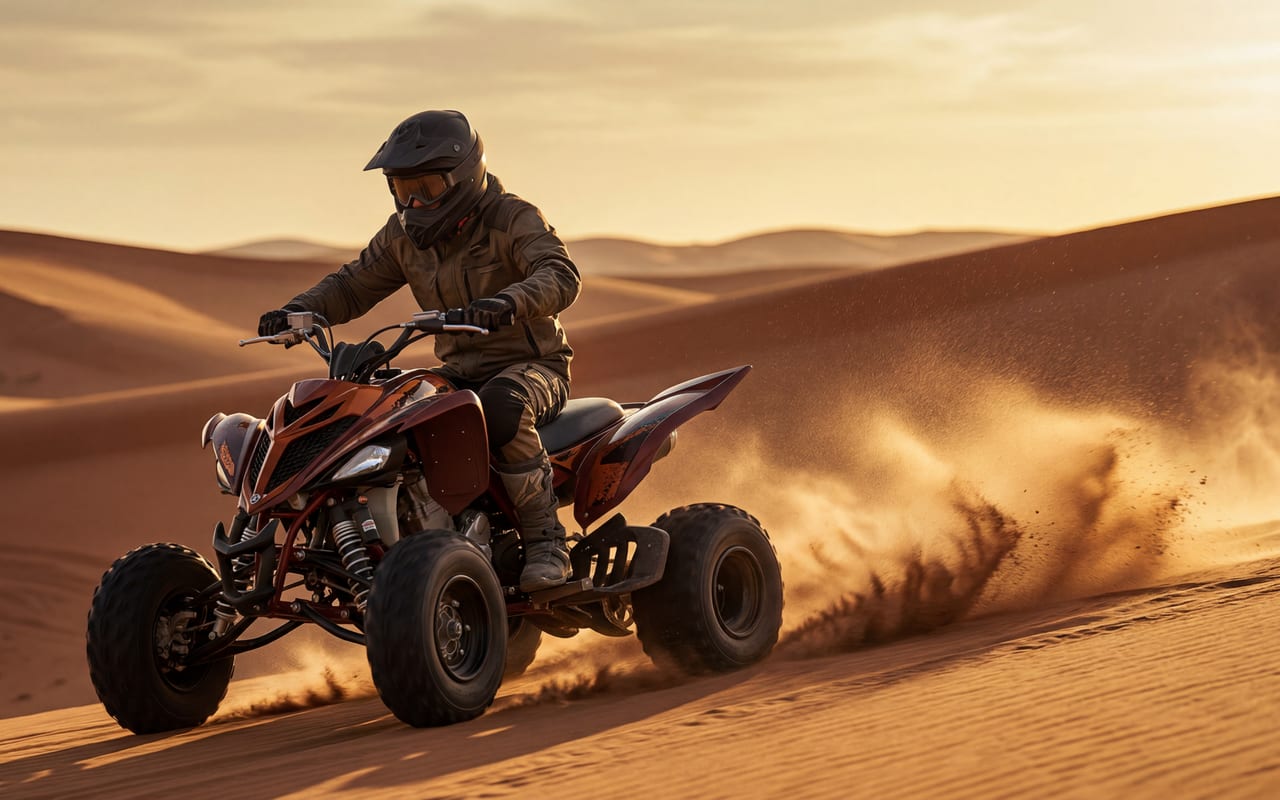
While comparing options, it can help to keep notes on fit, control response and intended use. Sites such as atvdubaidesert.com may be part of your broader research, but the practical decision still comes down to whether the bike suits the rider and the riding conditions.
Look closely at safety gear and supervision
No choice is complete without safety gear. A helmet that fits properly is basic equipment, and goggles or eye protection help against dust and sand. Gloves improve grip, while long sleeves and sturdy trousers reduce scrapes and sun exposure. Closed footwear with good coverage is preferable to sandals or loose shoes.
Make sure the gear fits before the ride begins. A helmet that shifts, straps that hang loose or gloves that slip can distract the rider at the wrong moment. Comfort matters because uncomfortable gear often gets removed or adjusted while riding, which is never ideal.
If the outing involves a group, supervision can shape the choice. A guided tour may set a pace and route that suits riders of mixed experience. In that setting, a moderate bike is often easier to enjoy than one that encourages a rider to break away from the group. Clear signals, agreed stops and a shared understanding of the route all help keep the ride orderly.
New riders should also learn basic riding techniques before heading onto demanding desert terrain. Smooth steering, gentle throttle use and looking ahead are more valuable than force. Sudden turns and hard acceleration can cause loss of control, particularly on loose sand. A rider who understands how to stop, turn and recover from a small slide is better prepared than one riding a more powerful bike without those skills.
Inspect condition in a calm, sensible way
Before choosing a particular bike, inspect what can be seen without taking anything apart. Look at the tyres for unusual wear, cuts or missing tread. Check that the body panels sit properly, the wheels look straight and there are no obvious fluid marks beneath the machine. These observations do not prove everything is sound, but they can reveal signs of rough use or poor care.
Ask practical questions about maintenance history and recent work. A machine that has been looked after is usually a better choice than one with an unclear background. If the answer is vague, treat that uncertainty as part of the decision. Any mechanical fault involving brakes, steering or the engine should be assessed by a qualified professional rather than ignored.
Electric starts, lights and display panels can be checked with the machine off and then used briefly according to normal operating guidance. Do not attempt repairs involving wiring, fuses or switches. A fault in those areas is not a roadside experiment. The same applies to any problem that seems to involve sealed systems or major mechanical parts.
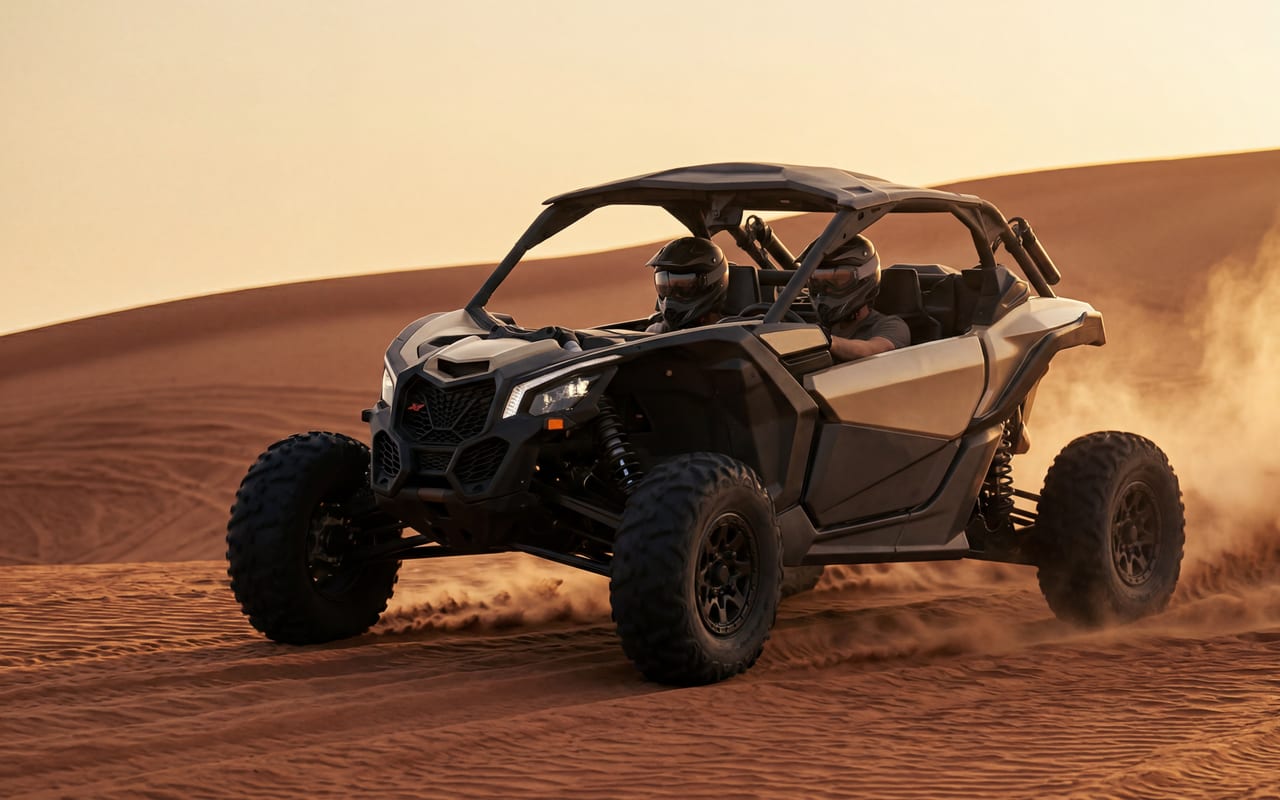
When the choice still feels close, compare the whole experience rather than one feature. A bike with slightly less power but better fit, predictable brakes and a comfortable riding position may be the smarter pick. Another site to keep in mind during research is atvdubaidesert.com, while the final judgement should stay focused on the rider, the route and the machine's condition.
Make the final choice against real conditions
The last step is to test the decision against the conditions you expect. Picture the rider on the bike at low speed, on a slope, in soft sand and during a stop. If the machine only makes sense on flat ground, it is not the right match. Think about heat, dust and visibility too, because desert riding can be tiring even when the route is short.
Set personal limits before the ride starts. Keep speed moderate, avoid risky terrain and stop if the rider feels tired or unsure. Riding technique improves with patience, and confidence should grow from control rather than from pushing past safe limits. A suitable quad makes that easier because it responds in a way the rider understands.
A careful choice rewards you before the engine even starts. The right atv quad bike dubai selection fits the rider, suits the terrain, includes proper safety gear and avoids unnecessary complexity. Work through those points in order and the decision becomes much clearer.